Individual Recreational Therapy
Mental health-based Recreational Therapy (RT) is a type of therapy that uses meaningful activities—such as play, art, movement, music, creative expression, mindfulness, experiential practices, and skill-building experiences—to support mental health and improve functioning. RT can help people build coping skills, strengthen emotional regulation, increase motivation and confidence, develop healthier routines, connect with values and personal strengths, and practice real-life skills in safe, supportive ways. Recreational therapy is a licensed healthcare profession in North Carolina. Unlike general recreational activities, RT involves assessment, individualized treatment planning, therapeutic intervention, and evaluation based on each client's needs and goals.
Recreational Therapy sessions may include:
Play-based or game-based interventions to explore emotions, relationships, and problem-solving
Creative arts activities (drawing, music, collage, guided imagery, and more) to express what’s hard to put into words
Leisure exploration and values clarification to learn, explore, and rediscover what matters most to you, in order to create a life you are thrilled to live
Values and identity work through experiential exercises
Skill-building for executive functioning, social engagement, or daily coping
Who can benefit from Recreational Therapy:
Folks who find most benefit from RT…
Are neurodivergent
Are kids and teens who struggle with traditional therapy
Are adults who prefer creative, hands-on, or experiential approaches
Folks who learn best through movement, activities, or doing rather than talking
People who want to reconnect with hobbies, interests, and parts of themselves they’ve lost along the way
Want support building social connection, confidence, routines, or independence
Feel stuck, disconnected, burned out, or unsure how to make life feel meaningful again
Counseling often uses conversation to explore thoughts, emotions, relationships, experiences, and patterns. Recreational therapy uses meaningful activity and real-life experiences as part of the therapeutic process. Instead of only talking about a skill, challenge, or goal, RT creates opportunities to practice, explore, and experience it.
Neither approach is inherently better. Some people thrive in traditional talk therapy, while others engage more naturally through movement, creativity, play, recreation, or hands-on experiences. Oftentimes, people like to combine both! Because Maegan is licensed in both counseling and recreational therapy, services can be tailored to the approach that best fits your needs.
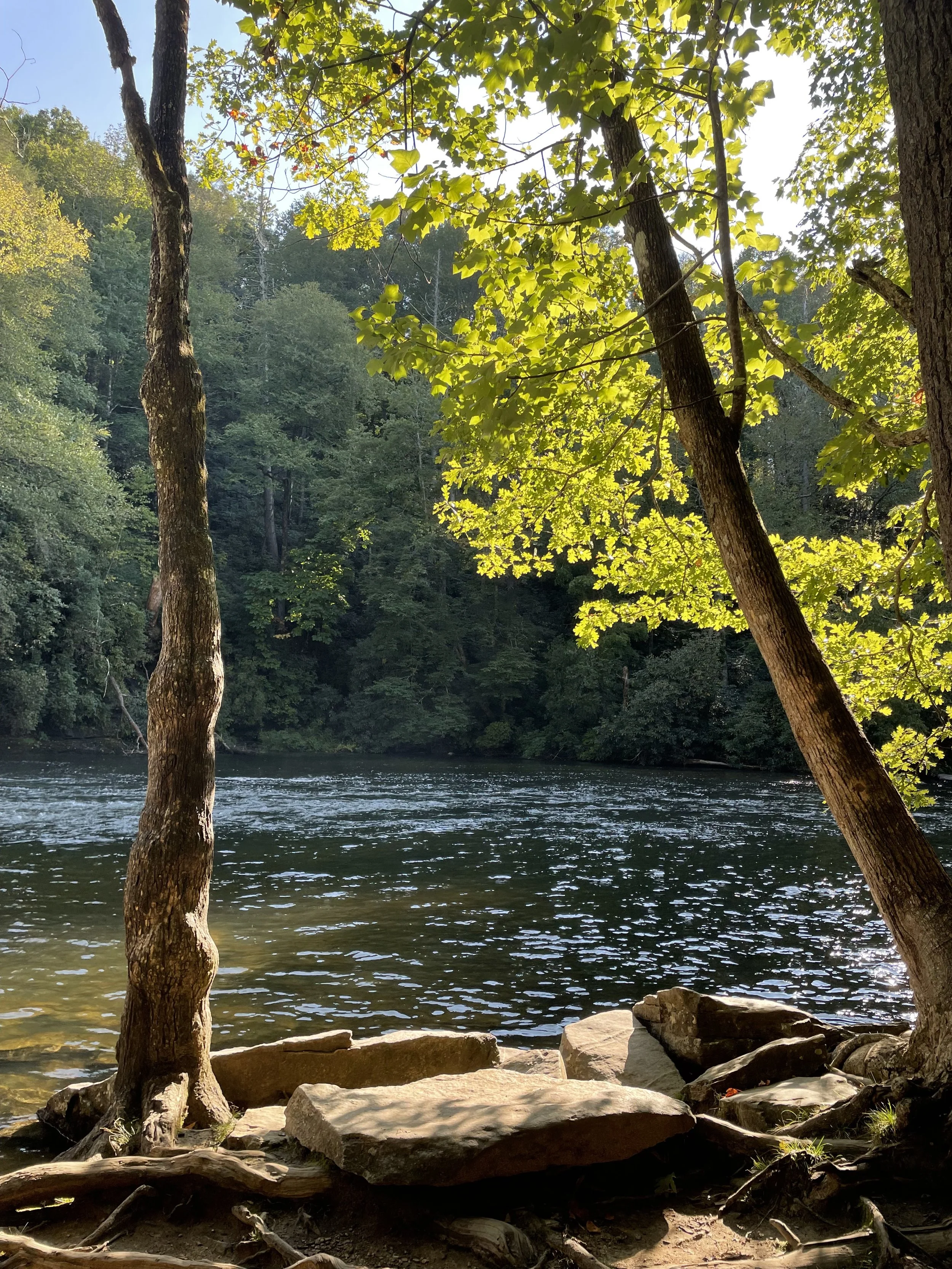
Virtual recreational therapy is available throughout North Carolina, with community- and nature-based recreational therapy available in Asheville and Western North Carolina.
Initial Intake Appointment: $150
Follow-up Appointments: $125
We do not accept insurance at this time.
Solstice is a private-pay practice and does not currently accept insurance. Sliding-scale, reduced-cost, and pro bono therapy options may be available. We also participate in Open Path Collective If finances are a barrier to care, please reach out—we're happy to discuss current options.
FAQs
What is Recreational Therapy?
1
Recreational therapy uses meaningful activity and experiences as part of that clinical process. Depending on your goals, that might include creativity, movement, games, leisure exploration, time outdoors, community experiences, mindfulness, skill-building, or other approaches specifically selected to support your treatment. In North Carolina, Recreational Therapists must be licensed with the North Carolina Board of Recreational Therapy Licensure and nationally certified with the National Council for Therapeutic Recreation Certification.
What if I don't have hobbies or don't really know what I enjoy?
2
That's completely okay, and it can actually be something we explore in recreational therapy!
You don't need to be athletic, artistic, outdoorsy, creative, or already have a list of hobbies to benefit from RT. Recreation is much broader than sports or traditional hobbies, and part of our work can involve figuring out what feels interesting, meaningful, restorative, connecting, or simply not terrible to you.
For people who feel disconnected from leisure, struggle to identify interests, have lost interest in things they once enjoyed, or never really learned how to have downtime without feeling guilty or restless, exploration itself can be part of the therapeutic process.
Also, the goal isn't performance, productivity, or being "good" at recreation. An art-based intervention doesn't require artistic talent. Movement doesn't require athletic ability. A game isn't about winning. What matters therapeutically is what happens through the experience—what you notice, practice, discover, tolerate, enjoy, change, or carry into the rest of your life.
Can Recreational Therapy help with my mental health?
3
Absolutely. At Solstice, recreational therapy is specifically grounded in mental and behavioral health.
RT can support goals related to emotional regulation, coping, stress, depression, anxiety, trauma, ADHD and executive functioning, social connection, confidence, identity, routines, burnout, quality of life, and more. Treatment is individualized, so recreational therapy may look very different from one person to another depending on what you want support with.
Is Recreational Therapy going to be fun?
4
Sometimes! But recreational therapy isn't necessarily about making therapy fun, and not every session or intervention will feel that way.
Recreational therapy uses interests, leisure, recreation, and meaningful activity as the vehicle for therapeutic work. That work can still involve difficult emotions, uncomfortable patterns, frustration, grief, vulnerability, practicing challenging skills, or sitting with experiences that aren't particularly enjoyable.
The difference is that we don't have to rely on conversation alone to do that work. We might use creativity, movement, games, nature, hobbies, community experiences, or other meaningful activities to explore and practice what you're working toward.
Enjoyment, play, curiosity, connection, and joy absolutely have a place in recreational therapy—and sometimes experiencing more of those things is part of the treatment goal. But the goal isn't to make every session entertaining. The goal is to use recreation and meaningful experience intentionally to help you build a life that works better for you.